We’ve all been there. You send a quick text that’s meant to be a light correction, but without a little something extra at the end, it reads like a cold, hard reprimand. You stare at the screen, realize it looks “flat,” and suddenly you’re scrambling to find a symbol to soften the blow.
But here is where the choice gets interesting. If you’re trying to add some life to that text, do you reach for a classic 😊 or do you go with something like (^▽^)? It might seem like a small thing, but the debate of Japanese emoticons vs emoji is about more than just aesthetics.
These two styles of communication come from different worlds, and choosing the wrong one can change the entire “vibe” of your message.
Defining the two forms
Before we look at which one wins, we need to be clear about what they actually are.
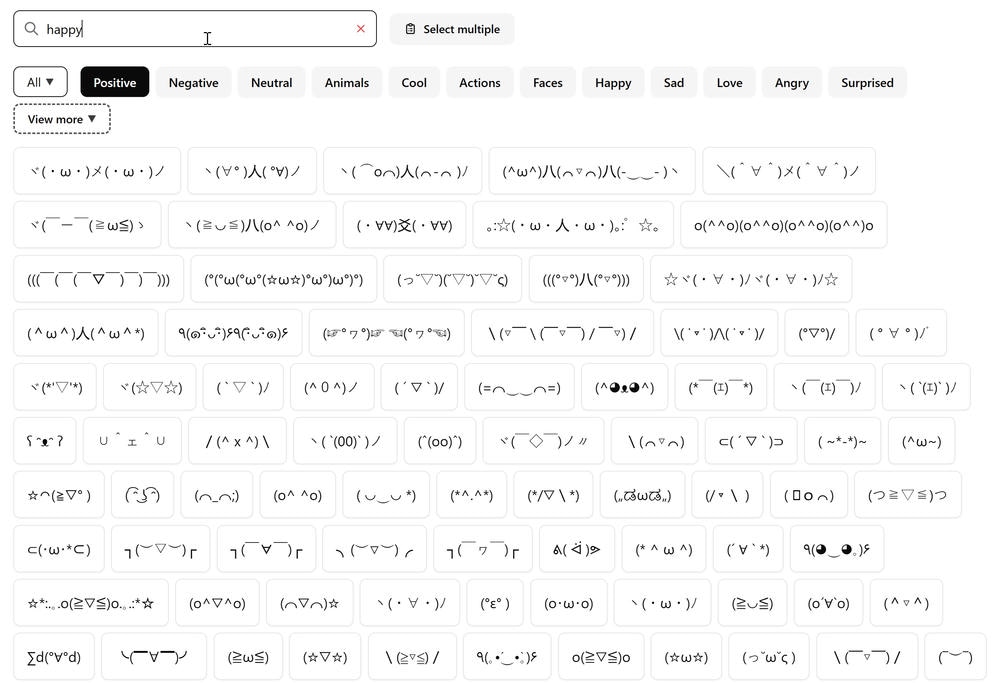
Japanese emoticons, or kaomoji, are built entirely from text characters. You’re basically using brackets, underscores, and various punctuation marks to “draw” a face. Think of things like (T_T) for crying or (ノ◕ヮ◕)ノ*:・゚✧ for something magical. They are handmade, in a way.
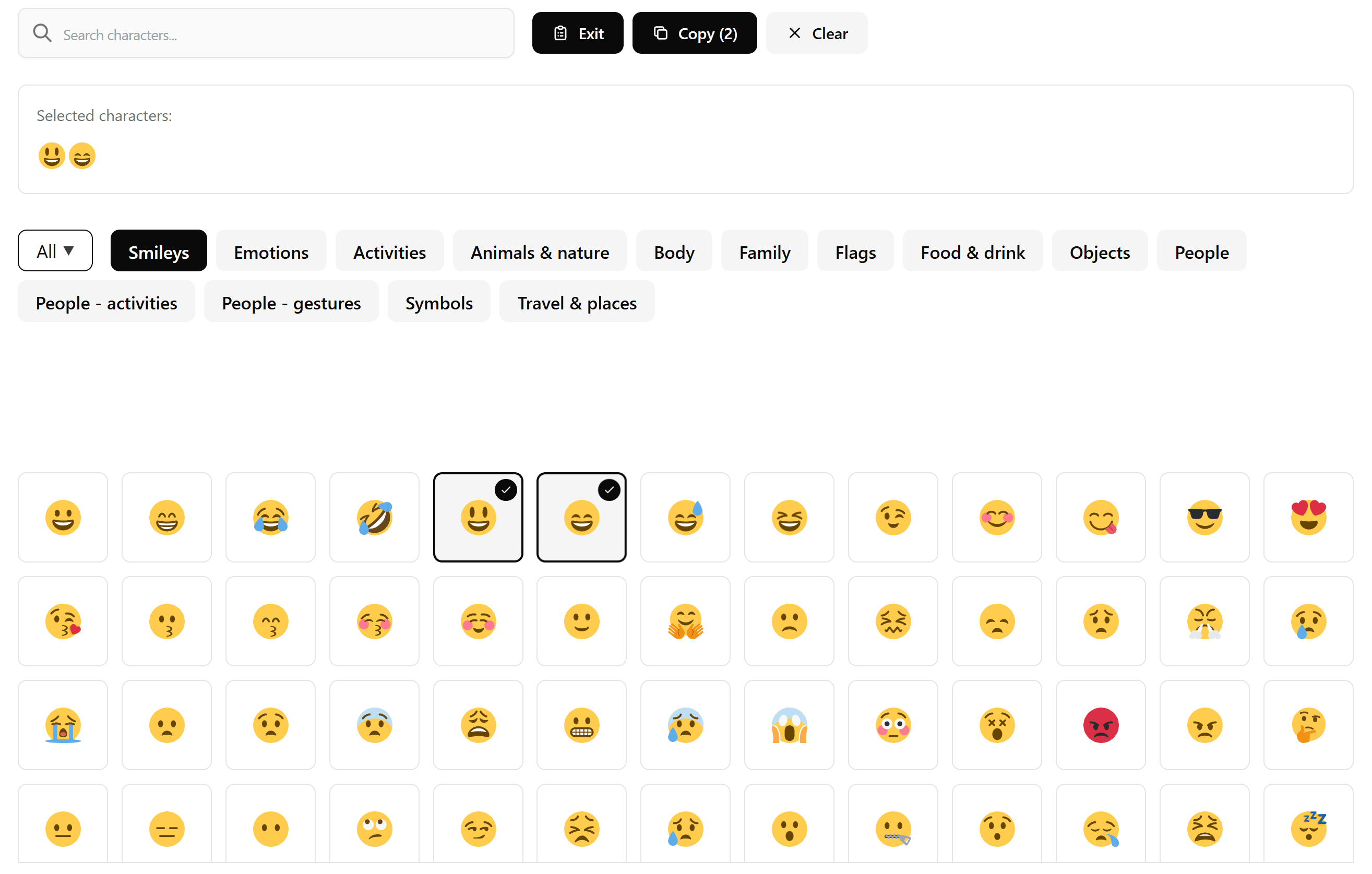
Emoji, on the other hand, are those little yellow faces and tiny pictographs baked right into your phone’s keyboard. They are actual graphic symbols, like 😂 or ❤️. One is a construction of letters and symbols, while the other is a pre-made image. It’s the difference between building a Lego set from scratch and buying a finished action figure.
The history of expressive symbols in our pockets
Both of these styles started in Japan, but they took very different paths to get to your screen. Kaomoji grew out of the early Japanese internet and pager culture. Since the Japanese character set is so huge compared to the Latin alphabet, users had a massive library of marks to create detailed faces that you read horizontally (unlike the Western 🙂 which you have to tilt your head to see).
Emoji also started in Japan in the late 90s, but they were eventually standardized by Unicode and adopted by Apple and Google. This turned them into a global language. People often confuse the two because they share that “Japanese soul,” but their functions have diverged. I’ve noticed that while emoji are now a universal standard, kaomoji have stayed rooted in a more niche, expressive subculture.
How they feel in a real conversation
In my experience, using a kaomoji feels a lot more personal. It’s quirky and often a bit more dramatic. For example, (╥﹏╥) feels like a much bigger, more “anime-style” sob than the standard 😭 emoji.
Emoji are built for speed and clarity. They are “clean” and mobile-friendly. Everyone from your boss to your grandma understands what a thumbs-up means. But because they are so universal, they can sometimes feel a bit generic. If you want to stand out or show a specific type of humor—especially that self-deprecating, ironic energy of ¯\(ツ)/¯—the text-based version usually hits harder.
The cultural tone behind the text
There is a certain “internet flavor” that comes with Japanese emoticons. They carry a lot of energy from gaming, fandoms, and forum culture. If you drop a complex kaomoji in a formal work email, it might look like your cat walked across the keyboard.
Emoji are the safe, mainstream choice. They work across generations. But context is everything. I once sent a very elaborate “sparkle” kaomoji in a professional Slack channel and realized halfway through that half the team probably thought I was having a technical glitch. Audience awareness is key; some people read emoji in a split second, while others might need a moment to parse what a string of punctuation marks is supposed to be.
Pros and cons of Japanese emoticons
The good stuff:
- They have a massive amount of personality.
- They are great for niche humor and exaggeration.
- They make your messages look “crafted” rather than just tapped out.
The downsides:
- They are a pain to type manually. Unless you have a dedicated kaomoji copy and paste resource or a custom keyboard, you’re going to be struggling with brackets for five minutes.
- They can look cluttered or messy on smaller screens.
- Some people just won’t “get” it.
Pros and cons of emoji
The good stuff:
- They are everywhere and incredibly easy to use.
- They are universally understood.
- They keep the layout of your text looking clean.
The downsides:
- They can feel a bit “cookie-cutter.”
- Different platforms render them differently (a heart on an iPhone might look different on a Samsung).
- Some meanings change depending on who you’re talking to—just ask any Gen Z kid about the “skull” emoji.
Putting them to the test: Real-world scenarios
Let’s look at how this plays out when you’re actually typing.
Scenario 1: Comforting a friend
- Emoji: “I’m so sorry 🫂❤️”
- Kaomoji: “I’m so sorry (っ´ω`)ノ(╥ω╥)” The emoji version is quick and supportive. The kaomoji version feels a bit more “cuddly” and dramatic. Depending on your friend, the kaomoji might feel more sincere because it looks like you took the time to find it.
Scenario 2: Joking in a group chat
- Emoji: “I have no idea what’s happening 😂”
- Kaomoji: “I have no idea what’s happening ┐(‘~`;)┌” The shrug emoticon adds a layer of “I give up” that the laughing emoji just doesn’t quite capture.
Scenario 3: The professional “check-in”
- Emoji: “Are we still on for 3 PM? 👍”
- Kaomoji: “Are we still on for 3 PM? (・_・)ノ” The emoji is the clear winner here. The kaomoji version looks a little too informal for a standard business check-in.
Why people still choose the “harder” way
So, why do some of us still bother with kaomoji when emoji are so much faster? For me, it’s about identity. In a world where every text looks the same, using a text-based emoticon is a way to signal that you’re part of a specific corner of the internet. It feels less automated. It’s like the difference between sending a Hallmark card and writing a note on a napkin—the napkin feels more “real.”
But let’s be honest, emoji dominate because they are convenient. They are built into the hardware. Their dominance isn’t because they are “better” at showing emotion, but because they are the path of least resistance.
Which one should you use?
If you want charm, flair, or you’re talking to someone who spends a lot of time in gaming or anime circles, go for the Japanese emoticons. They add a layer of personality that emoji can’t touch.
If you need to be understood quickly by a wide range of people, or you’re in a professional setting, stick to emoji. They are the “safe” digital shorthand.
And honestly? You can always mix them. I frequently use a standard emoji for a quick reaction but pull out a kaomoji when I really want to emphasize a specific, weird mood. The best choice isn’t the most popular symbol—it’s the one that actually matches what’s in your head at that moment.
Good luck with your next message, and don’t be afraid to get a little weird with the punctuation! ( ^ _ ^ ) b